
Basil Jarrett | Flexi-work and the end of the 9-5
Published:Thursday | February 5, 2026 | 12:08 AM


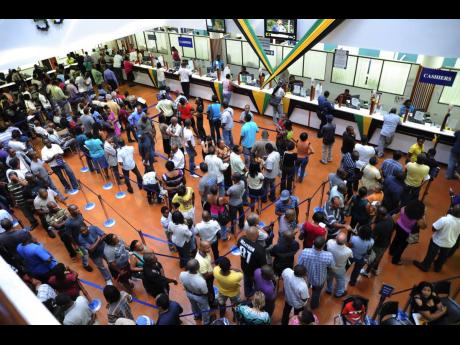
Two years ago, I wrote two columns pleading for us to stop treating the 9-5 workday like one of the Ten Commandments. I argued for work-from-home, four-day work weeks, and staggered hours, recognising that what really matters is output, not how long you sit in New Kingston traffic.
Fast-forward to 2026, and look at that: the State has finally blinked. The Government, last week,finally rolled out its flexi-work arrangement for public servants, with staggered start times from as early as 6:30 a.m. to as late as 10:30 a.m. and corresponding end times in the evening. In plain English, not everybody has to punch in at 8:30, punch out at 4:30, and join the same two miserable traffic waves going in and out of town.
THE REAL FLEX
Is it a revolution? Not quite. But it is the most serious blow we have delivered to the 9–5 sacred cow in decades.
The move is long overdue. Jamaica passed flexible work arrangements into law over a decade ago, yet for years, “flexi week” sat on the books like that new year’s resolution gym membership you paid for but still haven’t used. The private sector dabbled around the edges, with a few companies going hybrid after COVID-19. But quietly, staff have been dragged back to the plantation – sorry, I mean their desks – as old habits refuse to die.
Now, it is the public sector, of all places, that is formally saying, “Maybe productivity isn’t about bottoms in chairs for eight and a half hours.” Let that sink in. The same government offices we love to caricature as bastions of red tape and rigid rules are the ones now experimenting with spread-out shifts, extended service hours, commuting relief, and better work–life balance.
That alone is worth a column. Or two.
TRAFFIC, BLOOD PRESSURE, AND THE 9-5 CONSPIRACY
Just think about what will happen if even a fraction of public servants shift their hours in accordance with the proposed schedules. Some will start work at 6:30 and leave at 3:00. Others work 7:30–4:00, 8:30–5:00, 9:30–6:00, 10:30–7:00. You don’t need a degree in traffic modelling to figure out that if you can peel thousands of people away from the 7-9 a.m. and 4:30–6:30 p.m. crush, you ease pressure on the roads, on fuel consumption, and on blood pressure tablets. And that is before you factor in the parent who can now choose a shift that actually works with school drop-off and pick-up or the worker coming from Portmore or Spanish Town who can finally dodge the worst of the rush hour.
But alas, as with everything, there is a catch. Several actually. For one, not every job can flex. Nurses, police officers, correctional officers, teachers, and court staff are just a few of the poor unfortunate souls who will be made to feel like Santa forgot them at Christmas. How do we then ensure that these persons aren’t left out? Then there is the real risk of work abuse as “flexi” can quietly turn into longer hours for the same pay and overtime disappearing due to staff wanting to please the boss.
Then there is the real dilemma for managers who now have to learn how to manage people when not everybody is at work at the same time. To my mind, that, more than anything else, will determine whether this experiment works. If we roll out flexi hours but keep the same old culture of management being suspicious of staff, allergic to trust and obsessed with “who reach work at what time”, then all we have done is reshuffle the traffic, not transform the workplace.
I TOLD YOU SO
This is where my 2024 “I-told-you-so” comes back. Back then, I argued for work-from-home and even four-day weeks not as gimmicks but as part of a broader rethink of how, where, and when we work. The Government’s flexi hours are a good start, but they are Phase One of that conversation. If we truly want to attract and keep top talent, reduce burnout, support parents and caregivers, and squeeze more productivity out of every dollar of salary and office space, then all sectors, public and private, will eventually have to take it seriously.
For now, Government has cracked the door open by literally saying, “We’re willing to move the clock.” The really brave next move will be to say, “We’re also willing to move the location and the length of the week.” Sacrilege, I know. But one can dream.
Flexi-work will not solve all our problems. It will not, by itself, fix low wages, under-resourced departments or toxic managers. But it is a tangible step away from the idea that productivity equals time spent in traffic, behind desks, and under fluorescent lighting.
Two years after I begged in these pages to let people work from home, the flexi-work experiment has finally begun. We have moved the hands on the clock. The real test now is whether we are brave enough to move our minds.
Major Basil Jarrett is the director of communications at the Major Organised Crime and Anti-Corruption Agency (MOCA) and crisis communications consultant. Follow him on Twitter, Instagram, Threads @IamBasilJarrett and linkedin.com/in/basiljarrett. Send feedback to columns@gleanerjm.com.