
Public-sector workers lead on sexual harassment complaints
Parliamentary women urged to rise above party lines in tackling issues
Published:Friday | February 6, 2026 | 12:12 AMEdmond Campbell/Senior Staff Reporter
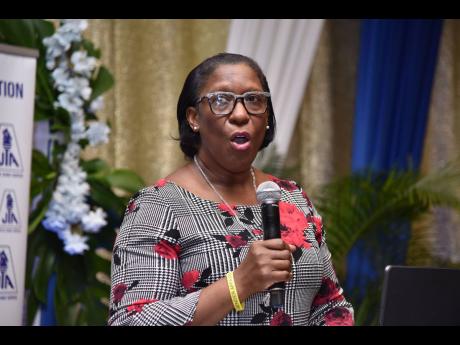
Fifty alleged cases of sexual harassment – mostly involving public-sector workers – have been referred to the tribunal established under the Sexual Harassment (Protection and Prevention) Act to hear and adjudicate complaints.
The disclosure was made yesterday by Sharon Robinson, principal director of the Bureau of Gender Affairs, during a presentation to the Caucus of Women Parliamentarians at Gordon House.
Robinson told the female lawmakers that more than 60 per cent of the cases submitted to the tribunal have already been resolved, while the remaining matters are still being addressed.
“The idea is that all of the cases are dealt with, with the utmost priority because there is a zero-tolerance approach to any form of harassment that is done to any person,” she said.
Robinson noted that the tribunal was sworn in on July 13 last year and explained that it is chaired by a retired judge, supported by two attorneys serving as deputies.
Meanwhile, members of the caucus underscored the importance of building trust among themselves and collaborating in the wider interest of society.
Member of Parliament (MP) for St Andrew East Rural Juliet Holness, who also serves as Speaker of the House, said it was essential for the group to create a safe environment for open discussion.
“Building trust and having discourse in respect of some of these legislation really is going to require that we genuinely ask women to start making an effort to be our sister’s keeper,” she said.
Holness pointed to what she described as tribal politics within the caucus and cautioned her colleagues against allowing themselves to be manipulated by male politicians to “fight against each other as women”.
She also suggested that the caucus should place greater focus during the parliamentary term on issues related to artificial intelligence and cybercrimes, noting that women – particularly women in politics – are frequently targeted.
“I can never fathom how I can be on Melissa Silvera’s title, someone I had never met, and when you see posts like that being sponsored, you wonder who sponsors them,” she said.
Melissa Silvera is the late wife of former People’s National Party MP Jolyan Silvera, who this week pleaded guilty to manslaughter in connection with her 2023 death.
Denise Daley, MP for St Catherine East, said the caucus, which was formed in 2023, should have made greater gains in pursuing its objectives.
“We tend to take party lines even when certain truths are staring us in the face,” Daley said.
Echoing similar sentiments, Fayval Williams, MP for St Andrew Eastern, said she hoped the caucus could unite around common concerns affecting women and girls as well as men and boys, and not behind the party colours when it comes to sexual harassment and other issues that need to be called out.
In her remarks, Olivia Grange, the chairman of the caucus, said the group will foster parliamentary solidarity, enhance women’s representation and leadership and advance gender response approaches in its legislative work.